
The Gila (HEE-la) is the largest venomous lizard native to the United States. They are named after the Arizona Gila River Basin, where they were first discovered. The Gila Monster lives in scrubland, succulent desert, and oak woodland (3 Minutes Nature). YouTube Tips ⓘ
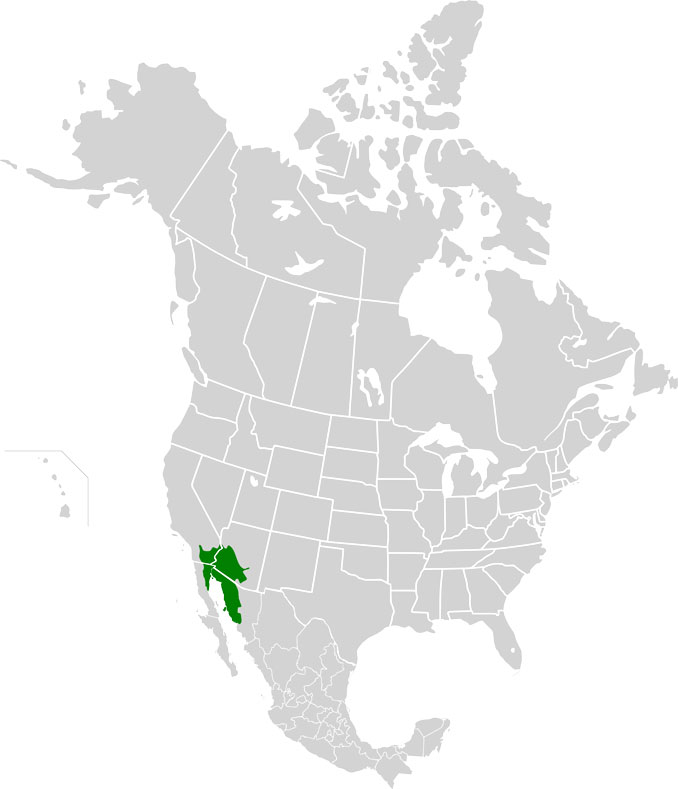
Gila Monster is a slow moving desert animal, but it prefers to live close to water resources. The Gila Monster habitat includes humidity supporting microclimate, hence they prefer underground burrows and thickets. They shelter in caves, crevices, and thickets in the Southwestern United States and Mexico. Sonora, Arizona, parts of California, New Mexico, Nevada, and Utah.
Gila monsters are native to the Tucson area and are commonly found in the surrounding foothills, rocky areas, and desert washes. They are most active in the spring and during the summer monsoon season (April through mid-September).
Key details regarding Gila monsters in Tucson:
Habitat: They prefer rocky foothills with saguaros and palo verde trees, often near Tucson.
Activity: They spend up to 90-98% of their time underground.
Observation: They are often spotted in Saguaro National Park.
Behavior: While venomous, they are sluggish and rarely pose a threat to humans.
They are protected by Arizona state law.
Nocturnal: Gila monsters are primarily nocturnal, especially during hot summer months, becoming active at night or dusk/dawn (crepuscular) to avoid extreme heat, but they can also be diurnal (active during the day) in cooler spring and fall weather when they emerge from their underground burrows to hunt for eggs, small mammals, and birds
See also …
ASU Ask a Biologist “Hardy Gilas”
Sonoran Desert, west of Tucson and southwest of Phoenix …
The Sonoran Desert is a hot desert and ecoregion in North America that covers part of the Southwestern United States (in Arizona and California); and the northwestern Mexican states of Sonora, Baja California, and Baja California Sur. The Sonoran Desert is the hottest desert in Mexico.
Title links to Amazon.com #ad▼ …
Cephas/Wikipedia – North America second level political division 2.svg Terrestrial ecoregions of North America : a conservation assessment. Taylor H Ricketts; et al. Washington, D.C. : Island Press, ©1999. xxiv, 485 p. : ill. (some col.), maps (some col.) ; 28 cm. (ISBN 9781559637220)